How to Make Marketing a Habit (So Your Freelance Pipeline Stays Full)
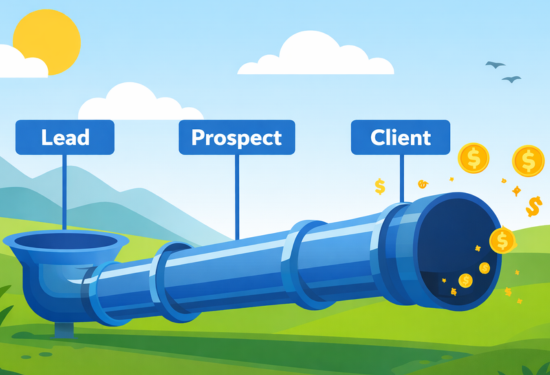 One month you’re slammed with deadlines, the next month you’re staring at your inbox hoping a client offers you work. Sound familiar?
Word of mouth and repeat clients can carry you far once you’re established—but new freelancers need time to build them. And even for seasoned freelancers, they only carry you so far. Contacts at client organizations change. Budgets freeze. Priorities shift. A “sure thing” can disappear with one short email.
The fix is turning marketing into a habit, something you do even when you’re busy, so you’re not starting from zero every time work slows down. You’re going to use a proven process you can repeat, at a set time, and an action that fits into real life. Consistency beats intensity.
Key Takeaways
- Marketing stays consistent when you treat it like a habit, not a burst of effort when work slows.
- A realistic marketing habit is 15 to 45 minutes a day, or two weekly blocks (about 2 hours total).
- Use implementation intentions (I will [behavior] at [time] in [location]) to market without relying on motivation.
- Match marketing tasks to your energy, mornings for outreach, mid-day for visibility, late afternoon for writing, end-of-day for admin.
- Track actions (done or not done), review monthly, and change one thing at a time to keep the habit alive.
Why Marketing Has to Be a Habit
Freelancing often runs on a boom-and-bust cycle. When projects flood in, you focus on delivery.
You stop marketing, and your pipeline dries up. Then the work slows, and you try to make up for months of no marketing in a week. You send rushed pitches, you apply to low-paying gigs, you say yes to rates you’d normally turn down. You take whatever you can get. Then you burn out.
After that, you stop marketing again because you’re exhausted. The cycle restarts.
Making marketing a habit lowers the stress because you do it before you’re desperate. You’re not trying to fix your business in one frantic week.
When you break the panic marketing cycle and develop a marketing habit, you keep your pipeline warm. You’re visible to the right people, and your relationships stay warm. And your income feel less like a slot machine.
Here’s what consistency gives you:
- Steadier leads because you’re always creating new connections and reminders that you exist.
- Less stress because you aren’t starting from zero every time a project ends.
- Better rates because you negotiate differently when you have options.
And here’s the reality check: you can’t control referrals or when clients hire you. You can control outreach, follow-ups, and visibility.
How to Build Your Marketing Habit
When marketing feels heavy, it’s often because it’s vague. “Market yourself” is too big. So you put off doing it.
When you make marketing specific and put it on your calendar like client work, it’s easier to do.
What a realistic habit looks like
A realistic marketing habit is a set of actions you can finish in 15 to 45 minutes a day or blocks of about 2 hours a few days a week. A weekly target could look like this:
- 5 small actions per week (one per weekday), or
- 2 focused sessions per week (one deep, one light).
Either works. The best plan is the one you’ll still do during deadlines.
Implementation intentions
Motivation is nice, but it’s moody. Implementation intentions are a simple way to act even when you don’t feel like it.
In plain language, you decide ahead of time: when X happens, you’ll do Y.
A classic format is:
I will [BEHAVIOR] at [TIME] in [LOCATION].
You can also tie your marketing to something you already do (habit stacking), like coffee, school drop-off, or sending invoices.
Use fill-in examples like these:
- “If it’s 9:00 AM on Monday, then I send one pitch.”
- “If I finish my first coffee, then I reply to two networking messages.”
- “If I open LinkedIn, then I leave three thoughtful comments before I scroll.”
- “If I submit an invoice, then I ask one client if they know someone else who needs help.”
- “If I finish my first work block, then I do 20 minutes of outreach.”
Implementation intentions make marketing feel less like a test of your willpower and more like brushing your teeth.
Best time of day (by energy)
Marketing has different “weights.” Some tasks need courage, some need focus, and some are easy but important. The time of day you choose can make or break your habit.
Morning (best for outreach and strategy): Send pitches, propose projects, and ask for referrals. This takes nerve, and you often have more of it earlier. Morning is also a great time for thinking tasks like marketing strategy.
Mid-day (best for visibility): Comment and post on LinkedIn and network virtually with colleagues. This fits between client tasks.
Late afternoon (best for creativity): Write or update your LinkedIn profile or website content, and draft direct emails.
End-of-day (best for admin): Update your prospect list, record your follow-ups, or add LinkedIn contacts. This is easy work that still keeps your marketing moving.
Test your time for two weeks, then lock it in. Put it on your calendar as a short block, and give it a shut-off point. Marketing expands to fill the time you give it, so keep it small on purpose.
Weekly Marketing Routine
You don’t need a complicated plan. You need one you can repeat when you’re busy, tired, or swamped with client work.
For most freelancers, a weekly marketing plan works best because you’re not continually switching between client writing and marketing. You’re giving marketing its own time on your calendar. Then you go back to paid work.
If you prefer to do a little marketing every day, that’s fine too. Revise this sample plan.
Track your marketing with a simple done or not done scorecard. You’re not building a perfect machine. You’re building reliability.
The 3-hour-a-week marketing plan
Here’s one way you can structure your marketing:
One block of time for outreach: 90 minutes
Activities:
Add prospects to your list
Send direct emails to prospects
Follow up with existing contacts
Meet with a potential client or send a proposal
One block of time for visibility: 60 minutes
Activities:
Comment meaningfully on 3 LinkedIn posts by other people
Share 1 post, insight, or resource (LinkedIn, professional association, or membership community)
Update or review your LinkedIn profile
Meet with one colleague (virtually or by phone)
A simple checklist
Use this simple checklist to get started:
- Choose your marketing time
- Write one implementation intention
- Set a timer for 90 or 60 minutes (depending on what you’ll be doing)
- Stop when the timer ends
- Track done or not done.
Track the Habit
Tracking your marketing shows that you’re making progress and makes it easier to keep going. Track your marketing actions, not the outcomes. Results lag. A great week of outreach can turn into work months later. If you only track wins, you’ll feel like you’re marketing isn’t working and stop too soon.
Put your tracker somewhere you’ll actually see it (notes app, spreadsheet, paper, whatever works best for you).
Then do a quick monthly review (20 minutes is plenty):
What worked: which messages got replies, which channels felt natural.
What felt heavy: what you avoided, what took too long.
What to cut: anything that drains you without results.
What to repeat: the smallest actions that moved things forward.
Change one thing at a time. Keep the minimum routine alive, then make one small adjustment.
Freelance Marketing Scorecard
Here’s a simple weekly marketing scorecard. It’s designed to reduce overthinking and help you keep your marketing consistent.
You can revise this to add specific marketing tasks you’re working on, like writing your website content or working on your strategy. Keep it to 10 items for accurate scores.
Freelance Marketing Scorecard
Copy and paste this into a Word document.
Name:
Week/Month of:
Core Rule
You’re not judging quality or results.
You’re only tracking whether the action happened.
1. Visibility (Being seen)
☐ Commented meaningfully on 3 LinkedIn posts by other people
☐ Shared 1 post, insight, or resource (LinkedIn, professional association, or membership community
☐ Updated or reviewed my LinkedIn profile
☐ Met with 1 colleague (virtually or phone)
2. Outreach (Starting conversations)
☐ Added 10 prospects to my list
☐ Sent 1–3 direct emails to prospects
☐ Followed up with an existing contact
☐ Met with a potential client or sent a proposal
3. Consistency (Protecting the habit)
☐ Blocked time for marketing on my calendar
☐ Completed at least one marketing action, even if small
Weekly Reflection
What worked? (Which messages got replies and which channels felt natural: LinkedIn, direct email, networking, other)
What felt hard? (What you avoided and what took too long)
What to cut: (Anything that drains you without results)
What to repeat: (Even the smallest actions that moved things forward)
One small win I’m acknowledging:
Scoring
8–10 Done:Excellent consistency
5–7 Done:Solid momentum
1–4 Done:Still a win — the habit is alive
0 Done:Reset next week, no judgment
Conclusion
If you turn marketing into a habit, you stop relying on willpower. Willpower is unreliable. Habits, like brushing your teeth or tying your shoes, are hard-wired into your routine. Follow a simple plan you can repeat even on busy weeks, so your pipeline doesn’t depend on luck, referrals, or panic marketing.
Start small this week and stick with it for 14 days. You’re not trying to “win” marketing. Your goal is to o become the person who shows up.
Your next step is simple: pick your time of day, then write one implementation intention you’ll follow tomorrow.

Learn More About Making Marketing a Habit
The Ultimate LinkedIn Profile for Freelance Success This Year
How to Make your Web Content Awesome, with Free Checklist
The Secret Weapon that Helps 4 Freelancers Get their Ideal Clients
Frequently Asked Questions About Making Marketing a Habit as a Freelancer
Why do freelancers need a marketing habit?
Because freelancing often turns into a boom-and-bust cycle. When you get busy, you stop marketing, then your pipeline dries up. A habit keeps you visible, keeps relationships warm, and helps you avoid panic pitching when you need work fast.
What’s a realistic weekly marketing schedule for freelancers?
A realistic plan is either five small actions per week (one per weekday) or two focused sessions per week. The post also gives a simple 3-hour-a-week option, 90 minutes for outreach and 60 minutes for visibility, plus short admin tasks to keep follow-ups organized.
What are implementation intentions, and how do they help with marketing?
Implementation intentions are a simple if-then plan you decide ahead of time. The format is, “I will [behavior] at [time] in [location].” It helps because you stop waiting to feel motivated, marketing becomes automatic, like a routine task you just do.
What marketing tasks should I do at different times of day?
Use your energy as the guide. Morning works best for outreach and strategy (pitches, proposals, referrals). Mid-day is good for visibility (LinkedIn comments, posting, quick networking). Late afternoon fits creative tasks (LinkedIn profile, website content, drafts). End-of-day is best for admin (prospect lists, follow-up tracking).
What should I track so I don’t get discouraged?
Track actions, not results. Replies and projects can show up weeks or months later, so judging your effort by immediate wins can make you quit too early. A simple “done or not done” scorecard keeps the focus on consistency, then you can review monthly and adjust one thing at a time.