Why Marketing Feels So Hard—and What Actually Works for Freelancers (Survey Results)
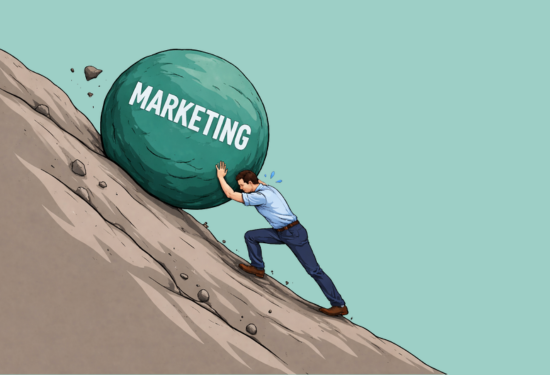
You sit down to work, open your laptop, and feel that familiar worry: you need a steadier flow of clients. You tell yourself you’ll market later—after this deadline, after this edit, after you catch your breath.
But later keeps moving.
A recent freelancer survey explains why marketing so often stalls —and shares practical takeaways you can use this week without turning your life upside down. Fshines a light on why this happens, especially for freelance writers and editors. You’ll see the real blockers that make marketing feel hard, slow, and frustrating, plus a few practical takeaways you can use this week without turning your life upside down. For the full context, see the Freelance marketing survey results 2025.
Key Takeaways
- Marketing feels hard for freelancers because client work is urgent, marketing pays later, and you’re doing everything yourself.
- The biggest marketing blockers are inconsistency, overload, and low confidence, which leads to random bursts of marketing instead of a repeatable process.
- Survey results show marketing is getting harder: 99 percent of freelancers said marketing is a challenge in 2025, up from 83 percent in 2021.
- The most common sources of great freelance clients are LinkedIn, networking, and direct email.
- A simple fix is to pick one channel and do about 3 hours a week in small, repeatable blocks, consistency beats intensity.
What the Survey Shows: Your Biggest Marketing Pain Points
The survey themes are painfully familiar: inconsistency, unclear positioning, overload, and shaky confidence. None of that is surprising when you’re a solo business.
When you’re freelancing, your day isn’t just “writing.” It’s project calls, scope creep, invoices, admin, and trying to keep your brain sharp enough to produce good work. Marketing ends up squeezed into the cracks, like trying to water a plant by flicking droplets at it between meetings.
And marketing a freelance business is getting harder:
- 2021:
- 83% of freelancers surveyed said marketing is a challenge.
- 55% said marketing is the biggest challenge or a major challenge
- 2025:
- 99% of freelancers surveyed said marketing is a challenge..
- 75% said marketing is the biggest challenge or a major challenge.
More competition from a growing freelance workforce is the main reason marketing is harder now. AI is also having an impact.
The survey also points to a simple truth: the best clients tend to come from a few core places:
- Networking
- Direct email.
You do not have a marketing process, you have random bursts of activity
Freelance marketing often runs on panic.
When work is slow, you post on LinkedIn three times in a week, refresh your portfolio, send a few outreach emails, and promise yourself you’ll “keep it up.” Then a project lands and you disappear for a month.
That feast-or-famine pattern creates a hidden cost:
- Your pipeline dries up.
- You take clients you don’t really want to work with because you don’t have choices.
- You stop building momentum, so every marketing push feels like starting from zero.
Making marketing a habit fixes this, not because you become a different person, but because you stop relying on motivation. You stop sprinting and start showing up in smaller, repeatable ways.
Why Marketing Feels Extra Hard When You are the Whole Business
Marketing has a reputation problem. Freelancers see it as being salesy or sleazy, of talking people into things they don’t want or pretending to be someone you’re not. It can feel uncomfortable, inauthentic, or even a little embarrassing if you think your work should speak for itself.
In reality, marketing is a simple, practical way to let the right clients know how you can help them. Because if a potential client can’t quickly answer, “Is this person the right fit for my project?” they move on. Not because you’re not good, but because they’re too busy to spend time figuring out if you understand their world and have the expertise they need.
Client work pays now, marketing pays later, so you pick the short term
Client work is urgent. Marketing is important.
So you do what most reasonable people do: you pick the thing with the deadline and the paycheck. Then marketing slips to the next week. The next week turns into the next month, and the month after that.
This isn’t a personal flaw. It’s a timing problem. Marketing rewards consistent effort, but freelance schedules are built around urgency.
Marketing is confusing, with too many options
Most marketing advice sounds like a checklist you’re supposed to complete all at once: LinkedIn. Cold (direct) email. Website. Newsletter. Networking. Referrals. Communities.
You can do all of these, but not all at the same time, and not while you’re also delivering high-quality client work.
And most marketing advice isn’t for freelancers. We’re different than other small businesses.
This creates decision fatigue. You dabble, stop, restart, and end up with half-built efforts everywhere.
How to Use the Survey Results to Make Marketing Easier
Use the survey takeaways as guardrails: consistency beats intensity and too many marketing channels (where people see or receive your marketing) create chaos.
Use a simple plan you can repeat when you’re busy. Aim for 3 hours a week, over 2 or 5 days. Start with one marketing channel: LinkedIn, networking, or direct email. Match the channel to your strengths:
- If you like writing short insights and showing your thinking, choose LinkedIn.
- If you prefer direct, private communication, choose warm direct email.
- If you’re better in conversation than online, choose networking.
The 3-hour-a-week (or less) marketing plan
Here’s a sample simple marketing plan for two weeks.
Week 1
This should take about 60 minutes.
Choose your marketing channel.
Learn about the channel you chose. If you’re not sure which to choose, learn about all three:
Week 2
If you choose LinkedIn:
Block of time #1 (60 minutes):
-
-
- Comment meaningfully on 3 LinkedIn posts by other people
- Decide which topics to post about and find sources of content
- Share 1 post
-
Block of time #2 (60 minutes):
-
-
- Update your LinkedIn profile headline and About section
- Complete your LinkedIn profile
-
Block of time #3 (60 minutes):
-
-
- Comment meaningfully on 3 LinkedIn posts by other people
- Update the rest of your LinkedIn profile
-
If you choose networking:
Block of time #1 (60 minutes):
-
-
- Email 2 colleagues you know to catch up
-
Block of time #2 (60 minutes):
-
-
- Join a (or another) professional association
- Explore volunteer opportunities in your professional associations
- List annual conferences and other events you want to attend
- Follow up with at least 2 previous networking contacts
-
Block of time #3 (60 minutes):
-
-
- Volunteer for at least one professional association
- Network virtually through a professional association, a membership community, or LinkedIn
- Meet with one colleague (virtually or by phone)
-
If you choose direct email:
Block of time #1 (60 minutes):
-
-
- Meet with one colleague (virtually or by
- Choose 1 target market for your prospect lists
- Find 20 prospects for your list
-
- Block of time #2 (60 minutes):
-
-
- Draft a direct email template
- Draft 1 direct email
-
Block of time #3 (60 minutes):
-
-
- Send the first direct email
- Set up a tracking system for direct email
- Draft and send 1 more direct email
-
A simple checklist
Use this simple checklist to get started:
- Choose a day and time to work on your marketing
- Set a timer for 60 minutes (depending on what you’ll be doing)
- Stop when the timer ends
- Repeat.
If you want tips on how to make marketing a habit, read this.
Link to how to make marketing a habit
Focus on What Works, Then Do it Consistently
Marketing is hard for freelancers because you’re doing everything, marketing pays later, and trust takes time to build. The survey makes the patterns clear, and it also points to a way forward: focus on what works, then do it consistently.
Your next step is simple: choose one marketing channel, and take one small action today. Then follow one of the 3-hour-a-week marketing plans earlier in this post, or adapt it for your freelance business.
Ready to Become the Freelance Success You Were Meant to Be?

Get on the VIP list for early access to the course.
Email themightymarketer@comcast.net and type VIP List in subject.
Learn More About Why Marketing is Hard and What to do About It
How Freelancers Market Their Services: 2025 Results (report)
3 Steps to Getting More Clients on LinkedIn: Your Ultimate Guide
Networking for Freelancers: The Ultimate Guide
How to Get Steady, High-Paying Clients with Direct Email
Frequently Asked Questions About Freelance Marketing
Why does marketing feel so hard for freelancers?
It feels hard because client work has deadlines and pays now, while marketing pays later. On top of that, freelancers handle everything, delivery, admin, and sales, so marketing gets pushed into leftover time. That leads to stop-start effort, which makes every new push feel like starting over.
What does the survey say are the biggest freelance marketing pain points?
The survey themes are inconsistency, unclear positioning, overload, and shaky confidence. Many freelancers do marketing in random bursts when work is slow, then stop when projects come in. That pattern dries up the pipeline and makes it harder to be picky about clients.
What marketing channels work best for freelancers?
The survey points to three main sources of good clients: LinkedIn, networking, and direct email. The best choice depends on your strengths, LinkedIn works well if you like sharing short insights, direct email fits people who prefer private outreach, and networking works well if you are better in conversation.
What is a realistic weekly marketing plan for a busy freelancer?
A realistic plan is about 3 hours per week, split into three 60-minute blocks across 2 to 5 days. Choose one channel, then do a few repeatable actions each week, like commenting and posting on LinkedIn, following up with contacts for networking, or sending a small number of direct emails with a simple tracking system.
How do you stop the feast-or-famine cycle in freelance marketing?
Stop relying on bursts of motivation and build a small habit instead. Pick a day and time, set a 60-minute timer, do one marketing task, then stop when the timer ends and repeat next time. The goal is steady momentum so your pipeline does not reset to zero each month.